 admin
admin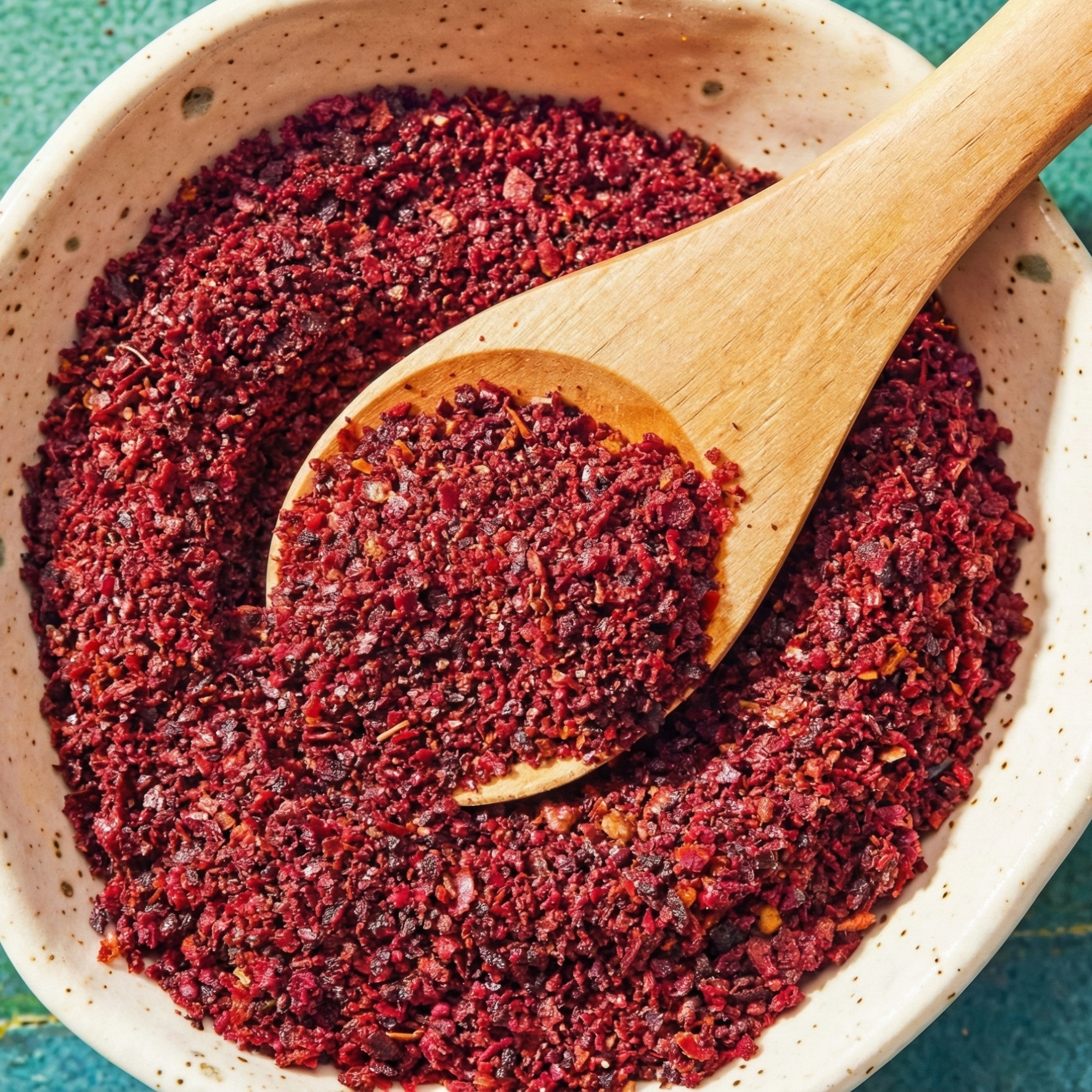
Discover sumac spice benefits for health and cooking. Learn what sumac tastes like, how to use this antioxidant-rich superfood, and why it’s the secret ingredient your kitchen needs.
If you’re searching for a way to add bold, tangy flavor to your dishes while boosting their nutritional value, sumac might just become your new favorite ingredient. This deep crimson spice has been treasured in Middle Eastern and Mediterranean cuisine for thousands of years, and it’s finally getting the recognition it deserves in kitchens worldwide.
What Is Sumac? Understanding This Ancient Spice
Sumac is a tangy, lemony spice made from the dried and ground berries of the sumac bush (Rhus coriaria). Don’t confuse this culinary variety with poison sumac—the edible version has been safely used in cooking for millennia. The berries are harvested, dried, and coarsely ground to create a coarse powder with a distinctive deep red to burgundy color that can transform both the flavor and appearance of your dishes.
Native to the Mediterranean and Middle East, sumac has been a cornerstone of regional cuisines from Turkey to Iran, Lebanon to Egypt. Its unique sour flavor profile made it a popular acidic agent long before lemons became widely available in these regions.
What Does Sumac Taste Like?
The flavor of sumac is often described as fruity, tangy, and astringent with bright citrus notes—imagine a combination of lemon zest and mild vinegar, but with more depth and a subtle earthy undertone. Unlike the sharp acidity of vinegar or the specific citrus taste of lemon juice, sumac offers a more complex, rounded sourness that doesn’t overpower other flavors.
This makes it incredibly versatile. You can use sumac where you might typically reach for lemon juice or vinegar, but with the added benefit of texture and visual appeal from its beautiful crimson color.
Sumac Health Benefits: Why This Spice Is a Superfood
Beyond its culinary appeal, sumac packs an impressive nutritional punch that makes it worthy of superfood status.
Powerful Antioxidant Properties
Sumac ranks among the highest antioxidant-containing spices in the world. It’s particularly rich in polyphenols, including tannins, anthocyanins, and flavonoids. These compounds help neutralize free radicals in your body, potentially reducing oxidative stress and inflammation—key factors in aging and chronic disease development.
Research has shown that sumac contains more antioxidant activity than many other commonly used spices, making it an excellent addition to an anti-inflammatory diet.
Supports Heart Health
The antioxidants in sumac may contribute to cardiovascular health by helping to reduce cholesterol levels and improve overall heart function. Some studies suggest that sumac can help lower LDL (bad) cholesterol while maintaining or even increasing HDL (good) cholesterol levels.
Blood Sugar Management
Preliminary research indicates that sumac may help regulate blood sugar levels, making it particularly interesting for those managing diabetes or pre-diabetes. The spice appears to improve insulin sensitivity and may help reduce blood sugar spikes after meals.
Anti-Inflammatory Effects
Chronic inflammation is linked to numerous health conditions, from arthritis to heart disease. The compounds in sumac have demonstrated anti-inflammatory properties in various studies, potentially helping to reduce inflammation throughout the body.
Digestive Health Support
Traditionally, sumac has been used to support digestive health. It may help soothe upset stomachs and has antimicrobial properties that could support a healthy gut microbiome.
Rich in Vitamins and Minerals
Sumac provides vitamin C, fiber, and various beneficial plant compounds. While you won’t use large enough quantities to meet your daily requirements, every little bit contributes to your overall nutritional intake.
How to Use Sumac in Your Cooking
One of sumac’s greatest advantages is its versatility. Here’s how to incorporate this vibrant spice into your everyday cooking:
Classic Applications
Fattoush Salad: Sumac is a traditional ingredient in this Lebanese bread salad, where its tangy flavor complements fresh vegetables and crispy pita chips perfectly.
Za’atar Blend: Sumac is a key component of za’atar, the popular Middle Eastern spice blend that also includes thyme, sesame seeds, and salt.
Hummus Topping: Sprinkle sumac over hummus for a pop of color and a bright, tangy flavor that elevates this simple dip.
Grilled Meats: Use sumac as a rub for chicken, lamb, or fish before grilling. It adds a beautiful crust and tangy flavor that pairs wonderfully with charred meat.
Creative Modern Uses
Roasted Vegetables: Toss cauliflower, carrots, or butternut squash with olive oil and sumac before roasting for a tangy twist.
Yogurt and Dips: Stir sumac into Greek yogurt or labneh for a quick, flavorful dip. Add cucumber and herbs for a refreshing tzatziki variation.
Avocado Toast: Sprinkle sumac over your morning avocado toast for an unexpected flavor boost that cuts through the richness of the avocado.
Salad Dressings: Add a teaspoon of sumac to your vinaigrettes for extra depth and a beautiful color.
Rice and Grain Dishes: Mix sumac into rice pilaf, quinoa, or couscous for added flavor and visual appeal.
Popcorn Seasoning: For a unique snack, toss popcorn with melted butter, sumac, and a pinch of salt.
Cooking Tips for Sumac Success
Start Small: Sumac has a distinctive flavor, so start with small amounts (½ to 1 teaspoon) and adjust to taste.
Add at Different Stages: While sumac can be used during cooking, its vibrant color and fresh tangy flavor shine when added as a finishing spice.
Pair with Complementary Flavors: Sumac works beautifully with olive oil, lemon, garlic, onions, yogurt, and fresh herbs like parsley and mint.
Mind the Moisture: In humid conditions, sumac can clump. Store it in an airtight container in a cool, dry place.
Check for Freshness: Fresh sumac should be deep red to burgundy. If it’s turned brown, it’s past its prime and will have lost much of its flavor.
Where to Buy Sumac and What to Look For
Sumac is increasingly available in mainstream supermarkets, particularly in the spice or international foods aisle. You’ll also find it in Middle Eastern grocery stores, specialty spice shops, and online retailers.
When purchasing sumac, look for a coarse powder with a deep, rich red color. Avoid sumac that appears brown or has added salt (unless that’s specifically what you want). Some brands offer both whole sumac berries and ground powder—the ground version is more convenient for most cooking applications.
Quality matters. Premium sumac should have a bright, tangy aroma and vibrant color. Store it in an airtight container away from light and heat to maintain its potency for up to a year.
Sumac vs. Other Acidic Ingredients
Understanding how sumac compares to other sour ingredients can help you use it more effectively:
Sumac vs. Lemon Juice: Sumac provides acidity without adding moisture, making it perfect for dishes where you want tang without diluting flavors or changing texture. It also adds visual appeal with its crimson color.
Sumac vs. Vinegar: Sumac offers a gentler, more complex acidity than vinegar, with fruity undertones that vinegar lacks.
Sumac vs. Tamarind: While both provide sourness, tamarind is sweeter and stickier, whereas sumac is drier and more purely tart.
The Cultural Significance of Sumac
For thousands of years, sumac has been more than just a spice—it’s been a cultural touchstone. Ancient Romans used it as a souring agent before citrus fruits became common. In traditional Persian cuisine, sumac is sprinkled over rice dishes and kebabs as a standard accompaniment. In Turkish cuisine, it’s a key component in numerous dishes and is even served tableside as a condiment.
This rich history means that when you use sumac, you’re connecting with culinary traditions that span continents and millennia.
Potential Precautions
While sumac is generally safe for most people when used in culinary amounts, there are a few considerations:
- If you have allergies to cashews, mangoes, or pistachios (plants in the same family), use caution with sumac.
- As with any new ingredient, start with small amounts to ensure you don’t have any sensitivity.
- If you’re on blood sugar medications, monitor your levels when first incorporating sumac, as it may enhance the effects of these medications.
Ready to Transform Your Cooking with Sumac?
Sumac represents everything a modern home cook should love in an ingredient: it’s healthy, versatile, adds complex flavor, and brings visual appeal to dishes. Whether you’re making traditional Middle Eastern recipes or experimenting with fusion cuisine, this tangy superfood spice deserves a permanent place in your pantry.
The beauty of sumac lies in its simplicity—just a sprinkle can transform ordinary dishes into something extraordinary. From salads to grilled meats, from dips to roasted vegetables, sumac adds that elusive element that makes people ask, “What is that amazing flavor?”
Start your sumac journey today and discover why this ancient spice is making a modern comeback. Your taste buds—and your body—will thank you.
Have you tried cooking with sumac? What’s your favorite way to use this versatile spice? Share your experiences in the comments below, and stay tuned for our upcoming sumac recipe that will show you exactly how to make the most of this superfood ingredient!